
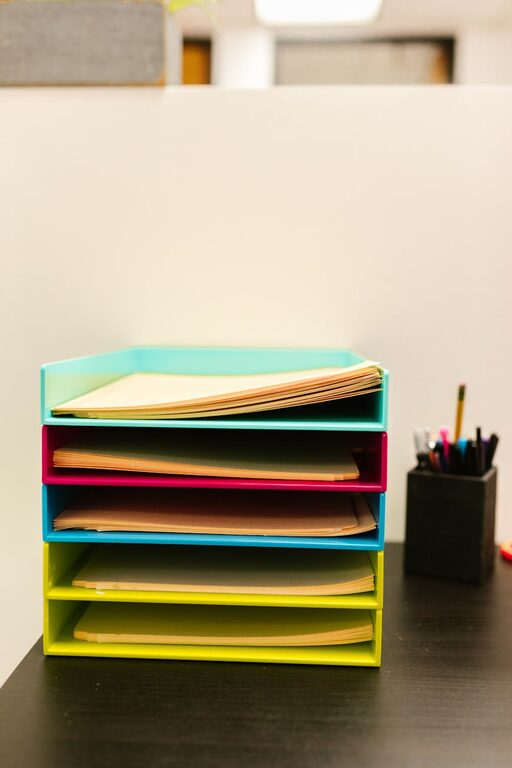
Living with piles of paper scattered around the house—from mail and receipts to bills and children’s artwork—can be overwhelming. Paper clutter not only takes up valuable space but also adds unnecessary stress. The good news is that reducing household paper clutter is simpler than you might think. With a few easy strategies, you can tame the paper chaos and enjoy a tidier, more manageable home environment.
Why Reducing Paper Clutter Matters
Before diving into solutions, it’s helpful to understand why cutting down on paper clutter has benefits beyond just aesthetics:
– Saves time: Less clutter means quicker access to important documents.
– Reduces stress: A tidy space promotes calm and mental clarity.
– Frees up space: You gain room for other essentials.
– Prevents loss of important documents: Organizing papers lowers the chance of accidental disposal or misplacement.
With this in mind, let’s look at simple ways to tackle paper clutter in your home.
Step 1: Commit to Regular Sorting
One of the main causes of paper buildup is procrastination. Setting aside time each week to sort through papers can make a big difference.
Tips for regular sorting
– Schedule a weekly or bi-weekly “paper sorting” session.
– Have designated bins or folders labeled “action needed,” “to file,” and “to shred.”
– Quickly decide if each paper is worth keeping or disposing of during sorting sessions.
Step 2: Adopt Digital Alternatives
Technology offers great tools to reduce dependence on physical papers.
Go paperless
– Sign up for e-statements, bills, and receipts when possible.
– Use apps to scan important documents and store them digitally.
– Opt for digital subscriptions to magazines, newspapers, or newsletters.
Digital files are easier to organize, take up no physical space, and reduce clutter dramatically.
Step 3: Create an Organized Filing System
When you do have to keep papers, having a simple filing system prevents piles from building.
How to create an effective system
– Use labeled folders or binders for different categories such as bills, warranties, tax documents, and medical records.
– Keep each category limited to what’s necessary.
– File papers immediately after sorting during your regular sessions.
Using color-coded folders or tabs can make this process even more visually appealing and efficient.
Step 4: Handle Incoming Paper Immediately
A common mistake is letting mail and papers accumulate on counters or desks.
Best practices for incoming paper
– Have a dedicated spot for incoming mail such as a tray or basket.
– Deal with mail the moment you bring it home: recycle junk mail and immediately deal with bills or important documents.
– Avoid opening mail near cluttered areas and create habits like sorting mail at the kitchen table or desk.
Step 5: Shred and Recycle Promptly
Papers with sensitive information need to be shredded, but many households neglect this step.
Stay secure and tidy
– Keep a shredder in a convenient location.
– Shred documents as soon as they’re no longer needed.
– Recycle shredded paper properly to reduce waste.
This not only protects your information but also prevents paper from pileup.
Step 6: Limit Paper Accumulation with Minimalist Habits
Reducing how much paper enters your home is essential.
Simple habits to practice
– Opt out of junk mail using online services.
– Reduce printing; print only when necessary.
– Encourage family members to follow paper-saving practices.
By being mindful about what you bring into your home, maintaining clutter control becomes easier.
Step 7: Use Creative Storage Solutions
If you prefer keeping some papers in physical form, storage can still be attractive and organized.
Storage ideas
– Decorative boxes or baskets that fit your home’s style.
– Wall-mounted filing pockets or organizers for quick access.
– Desk organizers for current papers that need attention.
These solutions keep your papers contained but close at hand.
Step 8: Regularly Purge Old Papers
Even with a filing system, old documents can pile up over time.
What to keep and what to toss
– Keep tax documents for at least 7 years.
– Store warranty or manual papers for items you still own.
– Recycle anything outdated, expired, or duplicate.
Scheduling a yearly purge will keep your system working well.
Final Thoughts
Reducing household paper clutter is about creating habits and systems that work for you. Start small, be consistent, and celebrate the extra space and peace that come with an organized, clutter-free home. With these straightforward strategies, you’ll find paper clutter becoming a thing of the past.
—
Reducing paper clutter doesn’t have to be stressful. Incorporate these tips gradually, and your home will thank you!