
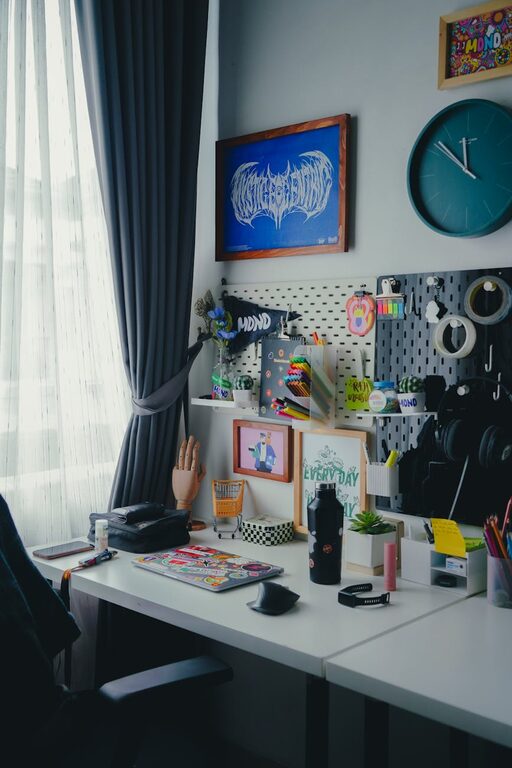
Creativity is not just for artists or writers; it’s a skill everyone can develop and enjoy. Whether you want to come up with new ideas at work, solve problems more effectively, or just add some fun to your daily routine, practicing creativity regularly can make a real difference. The good news is that creativity doesn’t require special tools or training—it thrives on simple habits and a curious mindset.
In this post, we’ll explore easy, practical ways to nurture your creativity every day. You don’t need hours or a big commitment. Even small, consistent steps can help unlock your creative potential.
Why Practice Creativity Daily?
Just like physical exercise strengthens the body, creative practice strengthens your mind. Daily creativity can:
– Improve problem-solving skills
– Reduce stress and boost mood
– Enhance communication and collaboration
– Make your work and personal life more fulfilling
By integrating creative activities into your routine, you build a habit that keeps your imagination active and ready to explore new possibilities.
Simple Ways to Practice Creativity Every Day
1. Start a Daily Journal or Sketchbook
Writing or drawing for just 10 minutes each day allows your mind to wander freely. Don’t worry about grammar, spelling, or artistic skill—focus on expressing thoughts, dreams, or random ideas. Over time, these pages become a treasure trove of inspiration and a way to track your creative growth.
2. Change Your Routine
Doing things differently can spark new ideas. Try taking a new route to work, rearranging your workspace, or exploring a new hobby. Small changes interrupt habitual thinking and encourage fresh perspectives.
3. Limit Screen Time
While technology offers great resources, too much screen time can stifle creativity by reducing opportunities for reflection and imagination. Set aside periods each day to unplug—go for a walk, meditate, or simply daydream.
4. Ask “What If?” Questions
Challenge yourself to imagine different scenarios or solutions by asking “what if?” questions. For example, “What if cars could fly?” or “What if I approached this project from a completely opposite angle?” This playful questioning encourages out-of-the-box thinking.
5. Practice Mindfulness and Observation
Pay close attention to your surroundings. Notice colors, shapes, sounds, or smells you usually overlook. Mindfulness improves your observational skills, which are essential for creativity. Keeping a list of interesting things you notice can help generate new ideas later.
6. Collaborate and Share Ideas
Creativity often flourishes through interaction. Join a group, attend workshops, or just chat with friends about your interests and projects. Different viewpoints can inspire you to see things differently and build on ideas you wouldn’t have thought of alone.
7. Embrace Mistakes and Play
Don’t be afraid to try new things and fail. Creativity involves experimentation, and mistakes are part of the learning process. Allow yourself to play without pressure or judgement.
8. Set Aside Time for Creative Breaks
Schedule short, creative breaks during your day. Activities like doodling, brainstorming, or free writing can refresh your mind and make your work more productive.
Tools and Apps to Support Your Creativity
While creativity doesn’t depend on tools, some apps can help you stay organized and inspired:
– Evernote or OneNote: For capturing ideas and notes on the go.
– Trello or Asana: To organize creative projects and tasks visually.
– Brain.fm or Calm: For music and sounds that enhance focus and relaxation.
– Canva: To experiment with simple graphic design even if you’re a beginner.
Using these tools can make it easier to maintain your creative habits daily.
Overcoming Creative Blocks
Everyone experiences creative blocks from time to time. Here are some tips to get back on track:
– Change your environment: Sometimes a new setting can refresh your thinking.
– Take a break: Step away to clear your mind, then return with fresh eyes.
– Try different mediums: If you usually write, try drawing or photography instead.
– Set small goals: Break larger projects into manageable tasks to avoid overwhelm.
– Seek inspiration: Read books, watch documentaries, or explore other creative works.
Conclusion
Creativity is a muscle that gets stronger with use. By incorporating simple daily practices into your routine, you can awaken your imagination and fuel your creative spirit. Remember, it’s not about perfection, but about exploring, experimenting, and enjoying the journey. Start small, be consistent, and watch your creative life blossom.
Give some of these simple tips a try today—and make creativity a rewarding part of every day!