
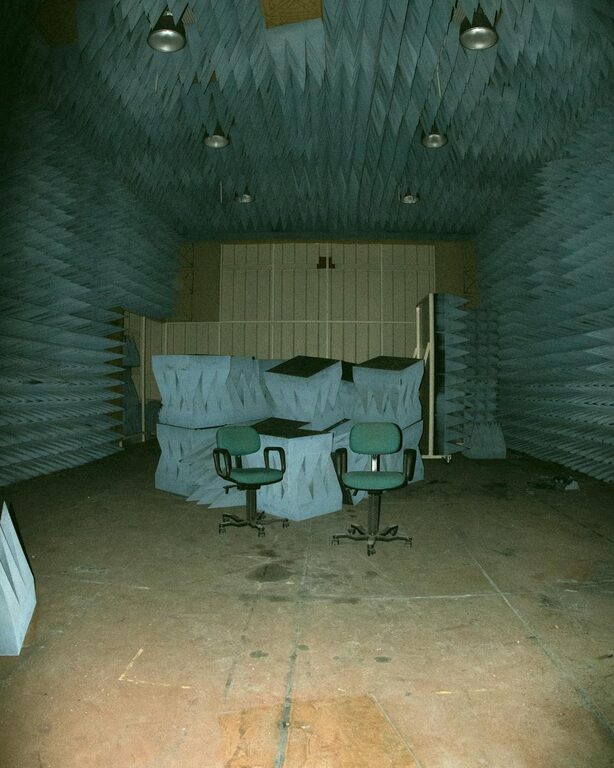
Creating a quiet and peaceful home environment is important for relaxation, focus, and overall well-being. Whether you live in a busy neighborhood, an apartment, or just want to reduce everyday noise, there are simple steps you can take to minimize noise levels at home. In this post, we’ll explore practical and easy ways to reduce noise, from small changes to DIY solutions, helping you enjoy a calmer space.
Why Reducing Noise at Home Matters
Excessive noise can increase stress, disrupt sleep, and make it harder to concentrate. By lowering noise levels, you improve your comfort and create a soothing atmosphere that supports rest and productivity. Let’s dive into some effective strategies.
Identify the Sources of Noise
Before you start, it’s useful to identify where the noise is coming from:
– Traffic, street sounds, or neighbors
– Household appliances (washing machines, HVAC systems)
– Electronics (TVs, speakers)
– Footsteps and voices in multi-story homes or apartments
Knowing the source helps you choose the right solutions.
Simple Changes to Reduce Noise
Use Soft Furnishings to Absorb Sound
Hard surfaces reflect noise, while soft surfaces help absorb it. Consider:
– Adding rugs or carpets on hard floors
– Using upholstered furniture instead of leather or wood
– Hanging curtains or drapes, particularly heavy ones, over windows and walls
– Placing cushions and throws on sofas and chairs
These additions can reduce echoes and absorb unwanted noise.
Seal Gaps and Cracks
Sound sneaks through small openings. Improve your home’s sound barrier by:
– Using weatherstripping around doors and windows
– Applying door sweeps to block gaps at the bottom of doors
– Filling cracks or holes in walls and window frames with caulk
These inexpensive fixes block noise from outside.
Rearrange Furniture for Noise Reduction
Furniture placement affects noise levels:
– Position bookcases or shelves against walls shared with noisy rooms or neighbors—they act as an extra barrier
– Place large sofas and armchairs strategically to block sound pathways
– Avoid empty, hard surfaces near noisy windows and doors where sound can bounce
Manage Electronic and Appliance Noise
Electronics can contribute to noise pollution. Try:
– Using quieter models when replacing appliances or electronics
– Placing appliances on vibration-absorbing mats to reduce hum and rattling
– Turning off devices when not in use
Advanced Solutions for Greater Soundproofing
Add Acoustic Panels or Foam
Acoustic panels reduce sound reflections in a room. You can:
– Install decorative sound-absorbing panels on walls
– Use foam panels behind TVs or speakers to minimize echo
– Create DIY panels with fabric-covered insulation board for a budget-friendly option
Use Double-Glazed or Acoustic Windows
Windows are often major noise culprits, especially in busy areas.
– Double-glazed windows improve insulation against sound and temperature
– Acoustic window inserts or curtains can be an alternative when replacing windows isn’t possible
Install Door and Floor Soundproofing
To block noise between rooms or floors:
– Use solid core doors instead of hollow ones
– Add soundproof underlayment beneath carpets or floors
– Lay down floor mats or rugs between floors to reduce footsteps
Create Quiet Zones in Your Home
Designate specific areas as quiet retreats.
– Use room dividers or curtains to create a cozy, less noisy corner
– Place plants in these zones—they absorb some sound and bring tranquility
– Consider noise machines or white noise devices to mask distracting sounds
Maintain Good Habits for a Calmer Home
Small lifestyle changes help maintain low noise levels:
– Encourage family members or roommates to respect quiet times
– Use headphones for music or TV during noisy activities
– Close doors to noisy rooms like laundry or gyms when in use
Conclusion
Reducing noise at home doesn’t have to be difficult or costly. By making thoughtful changes to your space and habits, you can enjoy a more peaceful, comfortable environment every day. Start with simple fixes like adding rugs and sealing gaps, then explore advanced options if needed. Your ears—and your stress levels—will thank you!
—
If you found these tips helpful, feel free to share your own noise reduction ideas or ask questions in the comments below!